English
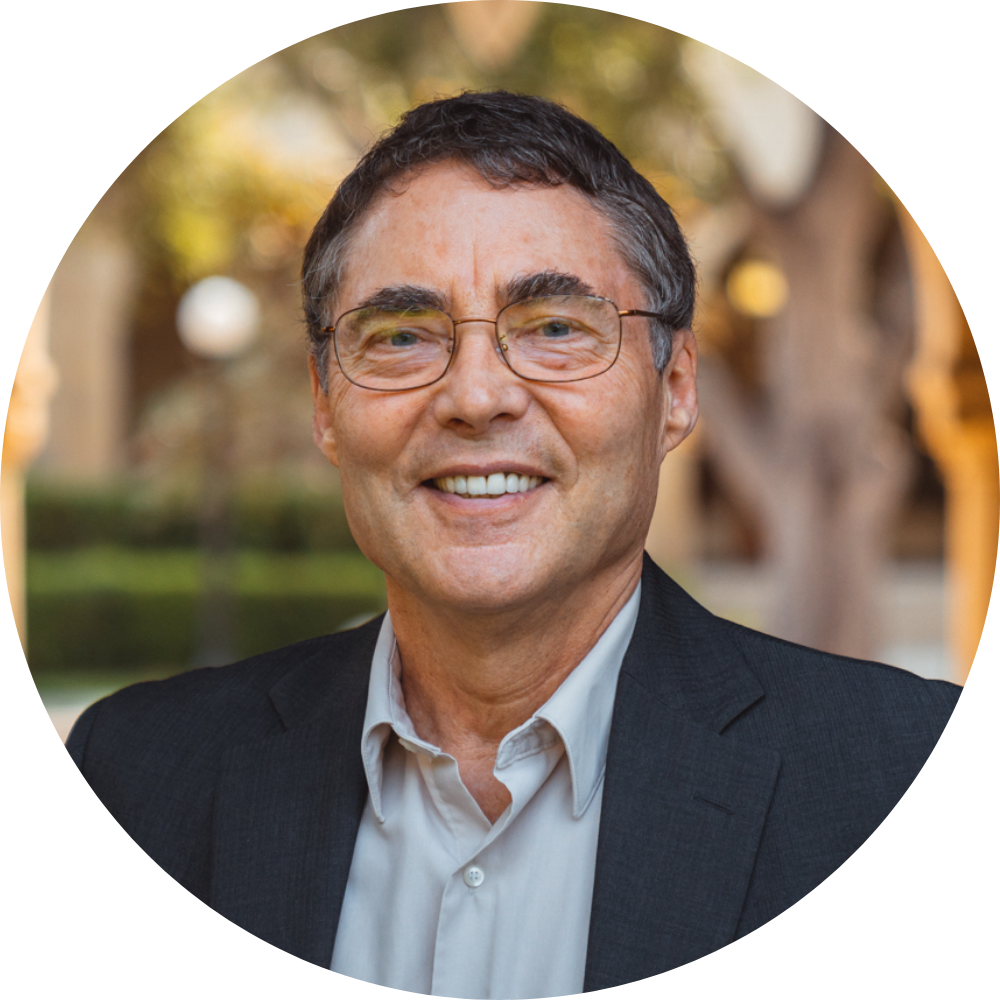
Professor Carl Wieman
Professor Emeritus of Physics and Graduate School of Education, Stanford University
Professor Carl Wieman doesn’t just think about physics; he thinks about how people learn to think like physicists. He’s noticed problems in the career path: academic performance isn’t a good indicator of how a student will fare as a practicing physicist. And what’s often misidentified as science talent is just a reflection of the quality of someone’s education. It is important to teach students how to make good decisions — like experts do.
Carl also believes we can improve teaching by taking a scientific approach. And he has demonstrated that in his research. In one study, he found that students retained only 10% of information from physics lectures after 15 minutes. Then he applied the learning principles he’d uncovered in his research: working collaboratively, making decisions, solving problems, and taking feedback. Students were able to retain 90% of the information after two days — as well as more than doubling their conceptual understanding and improving their outlook on physics and problem-solving.
That hands-on, experimental, student-led approach is at the heart of Carl’s PhET Interactive Simulations. The game-like simulations give students a place to try things out and make connections between real-life experiences and the underlying science. They’ve been described as ‘making the invisible science phenomena visible’. Carl’s team works closely with educators who are using the simulations in the classroom to transform STEM teaching. As a laureate, he’s dedicated part of his prize funding to launching a fellows program for teacher-leaders in STEM subjects in Africa and Latin America.
Following an introduction from the Yidan Prize Foundation, Carl and his colleagues are also working with the Mastercard Foundation to further develop the simulations, such as localizing simulation characters fit for local contexts and increasing PhET’s impact.