English
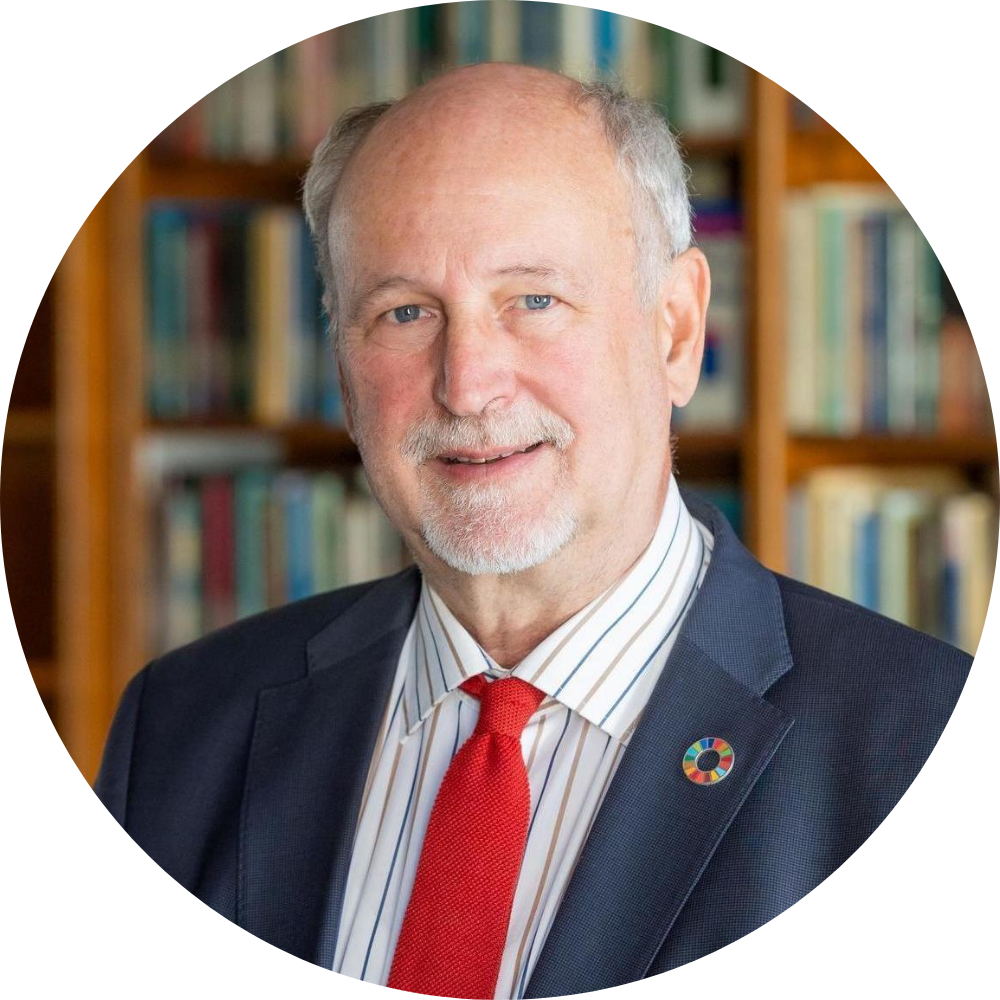
Professor Wolfgang Lutz
Distinguished Emeritus Scholar, International Institute for Applied Systems Analysis
In 1972, Wolfgang Lutz’s historian father handed him a copy of The Limits to Growth from the Club of Rome. He challenged Wolfgang to “study statistics and try to address these new challenges to the human future on our planet”.
Wolfgang’s decades of work since as a demographer and statistician have done just that. He’s pioneered assessments of education’s impact on sustainable development goals, including health, economic growth, gender equity, and climate resilience.
From his early work on population forecasting, Wolfgang frequently challenged established ideas. While conventional demographic analysis stratifies populations only by age or gender, he added education as an additional demographic characteristic which turned out to be a crucial part of the puzzle.
In 2011, he founded the Wittgenstein Centre for Demography and Human Capital to broaden the possibilities of demographic analysis. As part of this, he created the Human Capital Data Lab and encouraged staff to focus on multi-dimensional demography. He also convinced the University of Vienna leadership to establish a Department of Demography, focused on developing the next generation of demographic researchers.
Wolfgang has also focused on bringing his approach to studying human capital to Africa and Asia. He developed the PEDA model for the UN Economic Commission for Africa, using case studies from Namibia, Botswana, and Mozambique to illustrate the role of education in food production, distribution, and reducing hunger.